Empowerment & Social Skills Group for Autistic Teen/Tween Girls
A place to share your interests, be yourself and learn how to feel more confident
About This Group
Let’s be real: being a teen is a wild ride. Being an autistic teen girl? Extra bonus round. Social stuff can feel like a puzzle with no instructions — unwritten rules, awkward moments, and “how am I supposed to do this?” questions all the time.
That’s where this group comes in. A small, online space where your teen can just be themselves, make connections, and build confidence — without the judgment.
Here’s What We’ll Do Together
Here’s what we do together:
Practice real-world social skills in a safe, supportive setting
Share and celebrate special interests — yes, the things they actually care about
Learn to express emotions, set boundaries, and communicate confidently
Build connections with peers who understand and support them
Who is This Group For?

This group is for autistic teen/tween girls ages 11–17 (we have a group for 11-13-year-olds and a group for 14- to 17-year-olds), and anyone who identifies as autistic — diagnosis optional. We know that not everyone has access to a formal diagnosis, and that doesn’t make your experiences any less valid or important.
We’re also a radically inclusive space. LGBTQIA2S+ teens are fully welcome here, and we celebrate all identities, experiences, and ways of being.
In short: this is a place where teens can be themselves, share what matters to them, and feel safe, seen, and supported — no labels, no judgment, just connection and growth.
How It Works


Duration: 6 weeks, 45–60 minutes per session — long enough to practice, short enough to stay focused
Small Group: 4–6 teens max, so everyone gets attention and space to participate
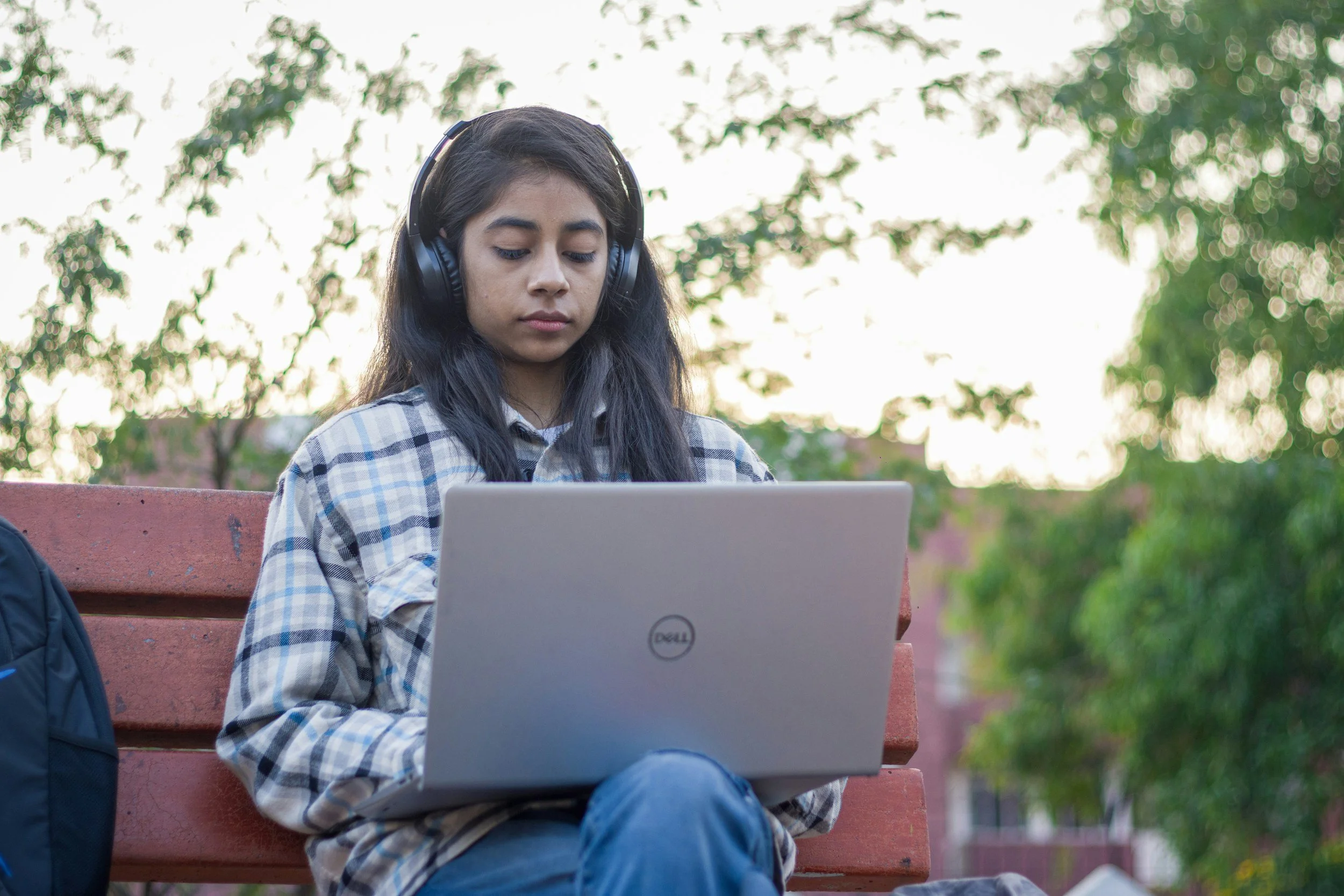
Online: Google Meet (cameras optional — comfort first!)
Facilitator: Led by Sera Gray, a neurodivergent coach and Licensed Clinical Social Worker who has Autism and ADHD (and has kids with Autism and ADHD!) who’s been there, gets it, and makes social skill practice actually fun
Focus Areas: Communication confidence, social interaction, emotional expression, setting boundaries, and sharing special interests
Each week mixes fun activities, role-play, discussion, and a chance to share special interests. The goal isn’t just to “teach social skills” — it’s to practice, celebrate progress, and feel more confident in everyday life.
Why Your Teen Will Love It
This isn’t a stuffy class. It’s a safe, inclusive, and fun space where your teen can:

Be themselves without judgment or pressure
Geek out over hobbies, fandoms, or anything they love
Try out social skills in a low-stakes environment
Practice setting boundaries and expressing emotions confidently
Connect with peers who truly get what it’s like
By the end of the program, your teen will leave feeling proud, empowered, and more confident in their social superpowers — plus, they’ll know they have a place where they belong.
Enrollment and Sign Up
We’re keeping this small, cozy, and supportive, so spots are limited. Sign up now to reserve your teen’s spot in the next 6-week session!
Fill out the form below and Sera will contact you to answer any questions you may have!
